Why Is My Washing Machine Not Working? Common Causes & Fixes
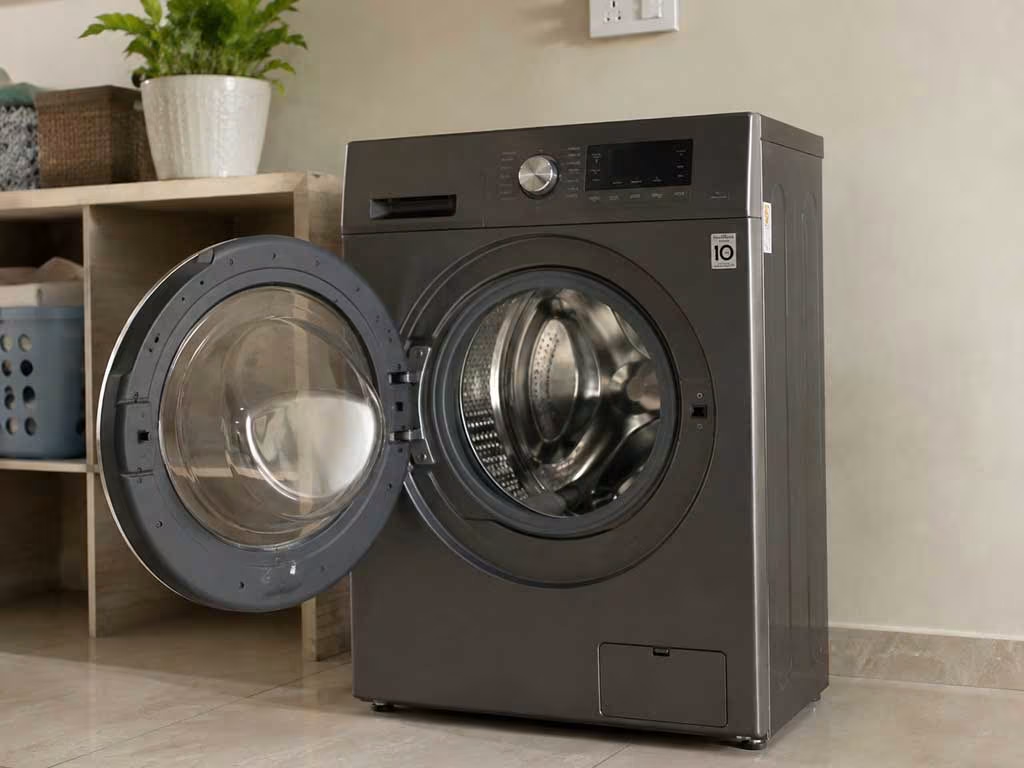
A washing machine can stop working for many reasons. Sometimes, the problem is very simple. You may only need to check the power, water supply, or door. In other cases, the machine may have power but still refuse to start. It may also start and then stop during the wash cycle.
You may notice that the machine does not fill with water. It may also leave water inside or fail to spin the drum. So, “not working” does not always mean the machine has a major fault. Start with a few simple checks before you assume the worst.
What to Check First When Your Washing Machine Stops Working
Before checking individual parts, take a minute to look at the basics. You may find the problem without any repair.
- Check the power socket and plug Make sure the plug sits firmly in the socket. If possible, test the socket with another safe appliance.
- Check the circuit breaker A tripped breaker can cut power to the washing machine. If the breaker trips again after you reset it, stop using the machine.
- Make sure the door or lid is closed properly Most washing machines will not start when the door or lid is not locked.
- Check the water supply tap Make sure the tap is fully open. Also, look at the inlet hose and make sure it is not bent or squeezed.
- Check the selected cycle Sometimes, the wrong setting can make the machine behave differently than expected. Also, check if the control panel shows an error code.
- Check the Child Lock If it is on, some buttons may not respond. Look for a lock symbol on the display or control panel.
If these basic checks look fine, move on to the common causes below.
Common Reasons Why a Washing Machine Is Not Working
No Power or a Tripped Circuit Breaker
Your washing machine needs a steady power supply to work. A loose plug, faulty socket, or tripped breaker can stop the machine completely.
The first sign is simple. The display stays off, and you do not hear any sound from the machine.
Check the plug and socket first. Then, check the circuit breaker. If the breaker has tripped, reset it once and try the machine again.
If the breaker trips again, do not keep resetting it. There may be an electrical fault that needs professional attention.
Washing Machine Door or Lid Is Not Locking
A washing machine usually will not start unless the door or lid locks properly. This safety feature prevents the machine from running while the door is open.
Check the door for clothes or other items caught around the seal. Then, close the door firmly and try the cycle again.
If the machine still does not start, the door lock may have a fault. In that case, a technician may need to check the lock.
Child Lock Is Turned On
The Child Lock can make it look like your washing machine has stopped working. It can prevent the buttons from responding normally.
Look at the display for a lock symbol. Some models also show a small message when the Child Lock is active.
You can usually turn it off by pressing a specific button or button combination. However, the method can differ between models.
Check your washing machine manual for the correct button combination. Once the lock is off, try starting the machine again.
Water Is Not Reaching the Washing Machine
A washing machine needs water before it can run the wash cycle. If water does not enter the machine, the cycle may not start or may stop after a short time.
First, make sure the water tap is fully open. Then, check the inlet hose for bends or tight spots.
A blocked inlet filter can also reduce the water flow. If your model allows safe access to the filter, you can clean it as advised in the manual.
If the water supply looks normal but the machine still does not fill, the inlet valve or another part may have a fault.
Washing Machine Is Stuck on One Cycle
Sometimes, a washing machine starts normally but then stays on the same part of the cycle. The timer may stop moving, or the machine may appear to do nothing.
A water supply problem can cause this. A drainage problem can also stop the machine from moving to the next stage.
First, check the water supply and look for any error code. You can also cancel the cycle and restart the machine according to the manufacturer's instructions.
If the machine keeps getting stuck at the same stage, the problem may involve a sensor or control part. A technician can check the machine and find the actual cause.
Drain Hose or Pump Is Blocked
Your washing machine must remove dirty water before it can complete some cycles. A blocked drain hose or pump can prevent this from happening.
You may notice water left inside the drum. The machine may also stop before the cycle finishes.
Check the drain hose for bends or visible blockage. If your machine has an accessible drain filter, check and clean it according to the manufacturer's instructions.
Be careful when checking the drain area because water may come out. If the machine still cannot drain, the drain pump may need professional attention.
Washing Machine Motor Is Not Running
The motor helps the drum move during the wash and spin cycles. If the motor does not run, the machine may fill with water but the drum may not move.
You may hear a humming sound. In some cases, you may hear nothing at all while the drum stays still.
First, check whether the machine is overloaded. Remove some clothes if the drum is packed too tightly, and then try the cycle again.
If the drum still does not move, the problem may involve the motor, belt, capacitor, wiring, or another part. These faults usually need a proper inspection.
If your washing machine runs but the drum does not spin, see our guide to why a washing machine is not spinning for specific causes and troubleshooting steps.
Avoid opening the machine to check electrical parts yourself. A wrong connection can damage the machine or create a safety risk.
Faulty Door Lock, Timer, or Control Board
Sometimes, the basic checks look fine, but the machine still does not work. In such cases, an internal part may be causing the problem.
A faulty door lock can stop the machine from starting. A timer or control board problem can also cause the controls or wash cycle to behave strangely.
You may see repeated error codes, unresponsive buttons, or a cycle that will not start. The machine may also stop at the same point every time.
You can check the display and try a safe reset if your manual recommends one. However, do not open the control panel or test electrical parts yourself.
These parts need proper testing before anyone replaces them. A technician should first find the actual fault.
When Does a Washing Machine Need Professional Repair?
Some washing machine problems are easy to check at home. However, you should know when it is better to stop troubleshooting.
You should consider professional repair if the machine still will not start after the basic checks. The same applies if the breaker keeps tripping.
A faulty door lock may also need a technician. The machine may repeatedly stop during a cycle, or the drum may refuse to spin.
You should also get help if the drain pump does not work or the control panel stops responding.
Pay close attention to unusual signs. A burning smell, unusual electrical sound, or repeated fault can point to a more serious problem.
If the same issue keeps coming back after a reset, do not keep restarting the machine. A proper inspection can help find the real cause.
If you need help with a washing machine that still is not working, you can contact our washing machine repair service in Lucknow for professional diagnosis and repair.