How to Know If a Refrigerator Compressor Is Bad

A refrigerator compressor is the heart of the cooling system. When it starts failing, the fridge often gives you a few warning signs.
The tricky part? Not every cooling problem means the compressor has gone bad.
A faulty relay, dirty coils, low refrigerant, or a fan problem can cause similar symptoms. So, before blaming the compressor, it's worth checking a few things.
Warning Signs Your Compressor Might Be Failing
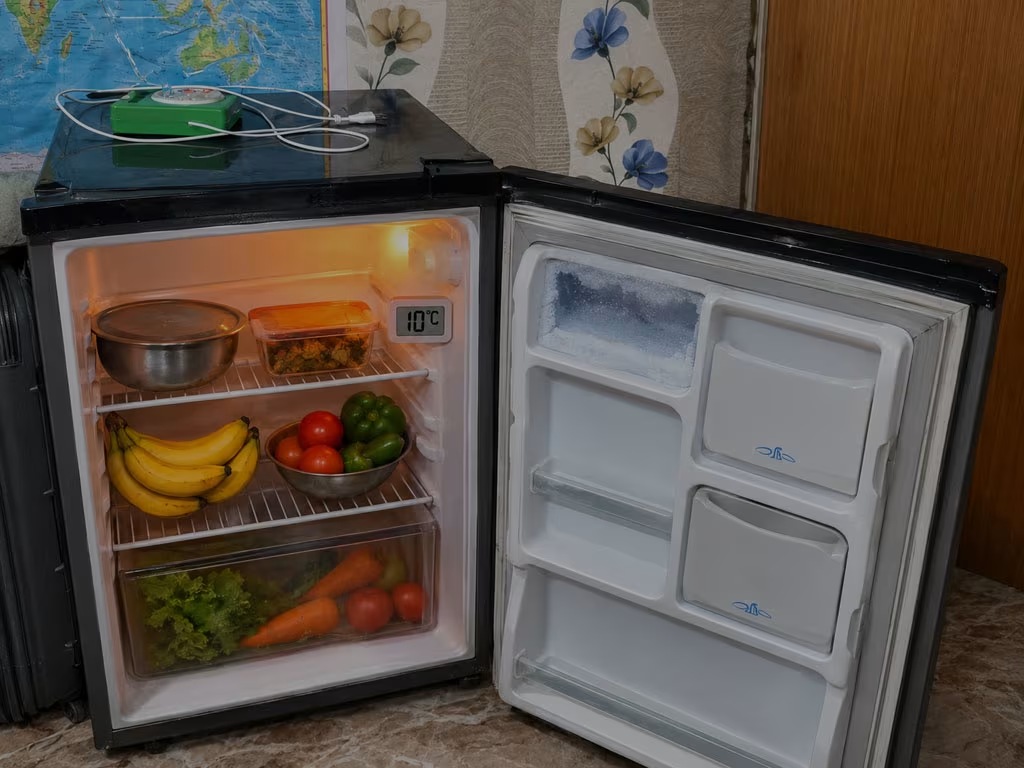
The Refrigerator Is Not Cooling Properly
Poor cooling is one of the first signs people notice. Your refrigerator may run, but the food still doesn't stay cold enough.
You might also notice that the freezer struggles to make ice or keep frozen food solid. If both sections lose cooling, the compressor could be one possible cause.
Don't assume the compressor has failed just because the fridge isn't cold. Other parts can create the same problem. If your refrigerator isn't cooling, learn more about the common causes of refrigerator cooling problems.
The Compressor Keeps Clicking On and Off Repeatedly
A healthy compressor usually starts, runs for a while, and then shuts off when the fridge reaches the right temperature. Repeated clicking can mean the compressor tries to start but can't keep running. You may hear a click, followed by a short humming sound, then another click.
A faulty start relay or overload protector can cause this pattern too. That's why you shouldn't replace the compressor based on clicking alone.
The Compressor Is Running Very Hot
It's normal for a refrigerator compressor to feel warm during operation. It shouldn't become extremely hot or keep overheating. Place your hand near the compressor without touching it directly. If you notice excessive heat along with poor cooling, pay closer attention.
Overheating can happen when the compressor struggles to run. Dirty condenser coils or poor airflow can also make it run hotter than normal.
Your Refrigerator Runs Constantly Without Stopping
Does your refrigerator seem to run all day and night?
A compressor may run for longer periods when the fridge has heavy cooling demand. But constant operation combined with poor cooling deserves attention. The compressor could have trouble maintaining the required pressure. Low refrigerant, dirty coils, or a faulty thermostat can also make the refrigerator run continuously.
You Hear Strange Noises Coming From the Back of the Fridge
Your refrigerator normally makes some sounds. A soft hum, occasional click, or brief vibration can be completely normal.
Loud humming, repeated clicking, rattling, buzzing, or knocking deserves a closer look. Pay attention to when the sound happens.
If the noise starts when the compressor tries to turn on, the compressor or its starting components may need inspection.
How to Check If the Compressor Is Really the Problem
Seeing one warning sign doesn't automatically mean you need a new compressor.
You can perform a few basic checks before calling a technician. These checks can help narrow down what's actually happening.
Listen and Check How the Compressor Runs
Stand near the back of your refrigerator and listen carefully.
You should hear the compressor start with a low hum. It should continue running without repeated clicking or sudden stopping.
Notice whether it starts normally, struggles to start, or switches off after a few seconds. These details can help identify whether the compressor or starting system has a problem.
Don't open electrical components if you're not comfortable working around them. Refrigerators contain electrical parts that can cause serious injury.
Check the Refrigerator’s Cooling and Freezing
Check both the refrigerator compartment and freezer.
Is the freezer still making ice? Are drinks staying properly chilled? Is the refrigerator warmer than usual?
If both sections struggle to cool, the sealed cooling system deserves attention. A compressor problem can cause this, but so can refrigerant and airflow issues.
Look at the Start Relay and Overload Protector
The start relay helps the compressor start running. The overload protector helps protect it from excessive electrical load.
If the relay fails, the compressor may click but fail to start. A faulty overload protector can create similar symptoms.
A technician can test these components and determine whether they're working correctly. Replacing a small starting component may solve the problem without replacing the compressor.
Compressor Problem or Another Refrigerator Fault?
Several refrigerator problems can look like compressor failure.
Checking these possibilities first can save you from an unnecessary and expensive repair.
Faulty Start Relay
A bad start relay can prevent the compressor from starting properly.
You may hear clicking from the back of the fridge. The compressor may try to start, then stop shortly afterward.
This problem often looks like a dead compressor. A proper electrical test can separate the two.
Low Refrigerant
Your refrigerator needs enough refrigerant to remove heat from inside the cabinet.
A refrigerant leak can cause weak cooling even when the compressor continues running. The fridge may run for long periods without reaching the right temperature.
Low refrigerant isn't something you should try to fix yourself. A technician needs to find the leak and check the sealed system.
Dirty Condenser Coils
Dirty condenser coils can make cooling much harder.
Dust and debris around the coils reduce heat transfer. The compressor may then run longer and become hotter than usual.
Check the coils if your refrigerator design allows easy access. Unplug the refrigerator before cleaning accessible coils, and keep the area around the appliance clear.
Fan or Thermostat Problems
Fans help move air and release heat from the cooling system. A faulty fan can cause poor cooling and unusual operating behavior.
A bad thermostat or temperature sensor can also make the compressor run too much or not run enough.
These problems can produce symptoms that look like compressor trouble. A proper diagnosis helps avoid replacing a good compressor.
Can a Bad Refrigerator Compressor Be Repaired?
It depends on what has actually failed.
Sometimes the compressor itself works fine, but the start relay or overload protector has failed. In that case, replacing the faulty component may solve the problem.
A compressor with internal mechanical or electrical damage usually needs replacement rather than a simple repair. A technician can test the compressor and confirm its condition.
Don't replace the compressor based only on noise or poor cooling. The technician should check the rest of the cooling system first.
If the compressor needs professional attention, see our refrigerator compressor repair in Lucknow service for more information.
When Is It Time to Replace the Compressor?
Compressor replacement makes sense when the compressor has a confirmed internal fault.
A technician may find damaged windings, a locked motor, or another serious internal problem. These faults usually don't have a simple external fix.
The age of your refrigerator also matters. If the appliance has several other problems, compare the repair cost with the price of a newer refrigerator.
A good diagnosis helps you make that decision without guessing.
When Should You Call a Refrigerator Repair Technician?
Call a technician when the refrigerator stops cooling, the compressor repeatedly clicks, or the compressor becomes unusually hot.
You should also get professional help when the fridge runs constantly but can't maintain the correct temperature.
Avoid opening sealed-system components or handling refrigerant yourself. These repairs require proper tools and technical knowledge.
A technician can test the compressor, relay, electrical connections, fans, thermostat, and cooling system. That gives you a much clearer answer about what's actually wrong.
If you need professional help, our fridge repair service in Lucknow can help diagnose and repair refrigerator problems.