Why Is My Refrigerator Not Cooling? Common Causes and Solutions
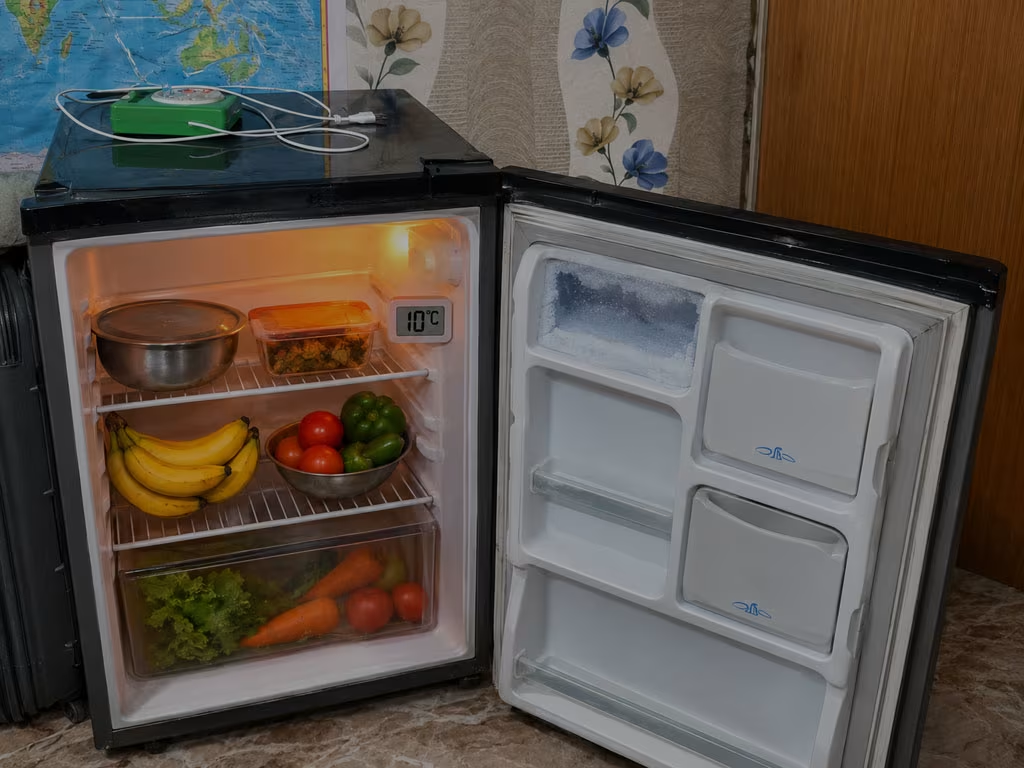
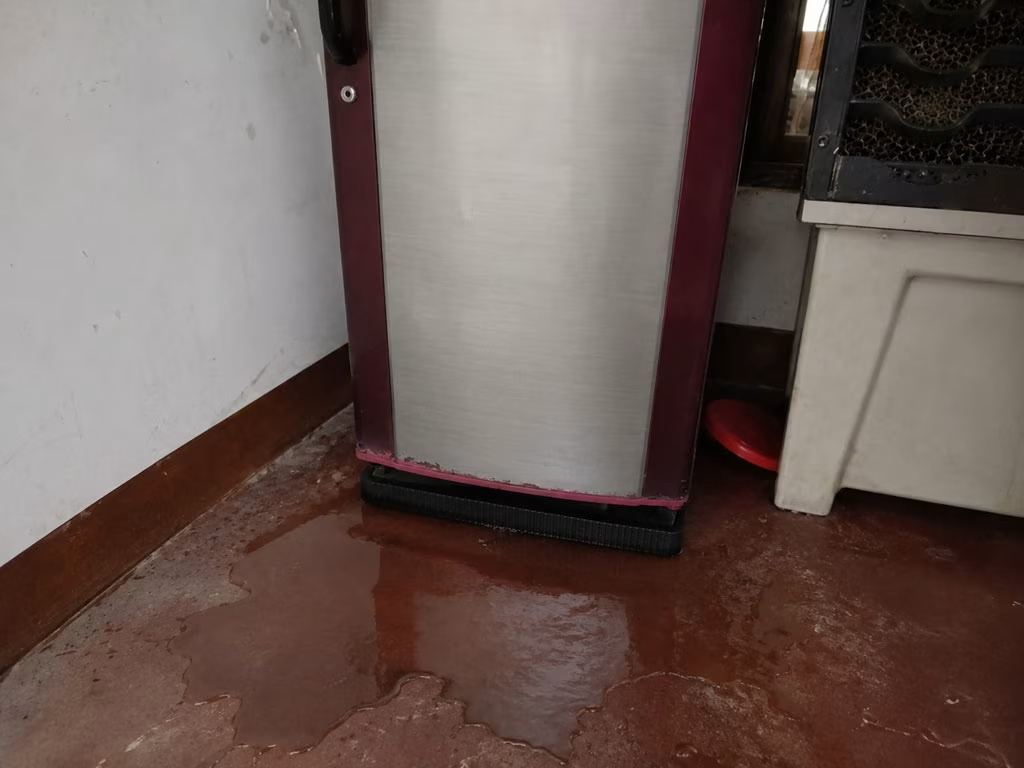
A refrigerator that is not cooling can be frustrating. Food may not stay fresh, and drinks may not feel cold enough. You may also notice that the freezer is working while the refrigerator section stays warm.
The good news is that not every cooling problem needs major repair. You can find and fix some problems with a few simple checks. However, you may need professional help when a fan, electrical part, or compressor is involved.
In this guide, we will look at the most common reasons a refrigerator stops cooling properly. You will also learn what you can safely check and when it is better to call a repair technician.
Common Reasons Why Your Refrigerator Is Not Cooling
A refrigerator can stop cooling for many different reasons. Some problems are simple, and you can check them at home. Others are caused by internal parts and need professional attention.
The Temperature Setting Is Too High
Start by checking the temperature setting because it can change by mistake. A higher setting may leave the refrigerator warmer than expected.
Check the control inside the refrigerator and make sure it has not been changed accidentally. Some models have separate settings for the refrigerator and freezer.
Set the temperature according to your owner's manual. Then give the refrigerator enough time to cool again. A temperature change may take several hours to show its full effect.
A Damaged or Loose Door Seal
The door seal helps keep cold air inside the refrigerator. If it is dirty, loose, cracked, or worn, cold air can escape and warm air can enter.
You may notice moisture around the door or find that the refrigerator runs more often than usual. A simple paper test can also help. Close the door on a thin strip of paper and try to pull it out. If it slides out easily, the seal may not be gripping properly.
Clean a dirty seal with mild soapy water and dry it well. If the seal is damaged or still does not close tightly, you may need to replace it.
Blocked Air Vents or Overloaded Shelves
Cold air needs space to move inside the refrigerator. When food blocks the vents, it can restrict airflow. An overloaded refrigerator can cause uneven cooling as well.
Some areas may feel very cold while others remain warm. Food near a vent may also become colder than food stored farther away.
Look for the vents inside the refrigerator and freezer. Move containers away from them and leave enough space between large items. This simple change can improve airflow and help the refrigerator cool more evenly.
Poor Ventilation Around the Refrigerator
Your refrigerator releases heat as it works. It needs enough space around the cabinet for that heat to escape. When you place the appliance too close to a wall or in a very hot area, the refrigerator may not cool as efficiently.
Check the space around the back, sides, and top of the refrigerator. Also consider whether you have placed it near a heat source or in a poorly ventilated area.
The required clearance depends on the model. Follow the manufacturer's installation instructions rather than using a general measurement.
Dirty Condenser Coils
Condenser coils help the refrigerator release heat. When dust, grease, or pet hair builds up on them, that heat may not escape properly. The refrigerator may then run longer while cooling becomes weaker.
You may notice that the appliance runs for long periods or feels unusually warm around the sides or back.
Check the condenser area for visible dirt. The location varies by refrigerator model, so check the owner's manual before cleaning. If the coils are accessible, clean them according to the manufacturer's instructions.
If cooling remains weak after cleaning, the problem may have another cause.
Excessive Frost or Ice Buildup
Too much frost can block airflow and stop cold air from moving properly. This is especially common when ice builds up around the vents or evaporator area.
A thick layer of frost on the freezer wall is a clear warning sign. The refrigerator section may also become warmer because less cold air is reaching it.
Check whether unusual frost is present and whether the problem keeps returning. Follow the manufacturer's instructions if manual defrosting is required. Never use a sharp object to break or remove ice.
If heavy frost returns again and again, a technician may need to check the defrost system.
The problems above are usually easier to inspect and may sometimes be resolved with basic maintenance. If your refrigerator is still not cooling, the issue may involve an internal component.
A Faulty Evaporator Fan
The evaporator fan moves cold air through the refrigerator. If the fan is not working properly, airflow can drop and cooling may become uneven.
One common sign is a freezer that is cold while the refrigerator section remains warm. You may also notice weak airflow or unusual fan noises.
You can listen for unusual sounds and check whether normal airflow is coming from the vents. Do not touch the fan or remove internal covers while the refrigerator is powered on.
If the fan is not working correctly, it may need to be repaired or replaced by a qualified technician.
A Faulty Condenser Fan
The condenser fan helps move air around the condenser area and supports heat removal. If it stops working, the refrigerator may struggle to maintain the correct temperature.
The appliance may run for long periods, become unusually warm, or make strange noises from the lower or rear area.
You can listen for unusual sounds while the refrigerator is operating. However, you should not test the internal fan unless you have the right knowledge.
A faulty condenser fan is usually best handled by a technician because electrical parts may be involved.
A Faulty Thermostat or Temperature Sensor
The thermostat or temperature sensor tells the refrigerator when cooling should start and stop. If it gives the wrong reading, the refrigerator may not maintain the temperature you selected.
Cooling may become inconsistent. The refrigerator could stay too warm, become too cold, or cycle at unusual times.
Start by checking the temperature setting and making sure it is correct. If the refrigerator does not respond normally after you adjust the setting, a technician may need to test the sensor or thermostat.
This type of problem usually requires professional diagnosis because A technician should identify the faulty part before replacing it.
A Faulty Start Relay or Electrical Component
The compressor needs electrical components to start and operate correctly. A failed start relay or another electrical fault can prevent the compressor from starting properly.
Repeated clicking is one sign that may point to a starting problem. The refrigerator may also try to start and stop without producing normal cooling.
You can listen for repeated clicking and check whether the appliance has a stable power supply. However, do not open electrical covers or test live components at home.
A qualified appliance technician should diagnose electrical problems. Replacing the wrong part may not solve the actual fault.
A Compressor Problem
The compressor is one of the most important parts of the cooling system. It circulates refrigerant and helps remove heat from inside the refrigerator. When it fails, the refrigerator may lose its cooling ability.
The refrigerator may stay warm even though it has power. The compressor may also run continuously, make unusual noises, or repeatedly click when trying to start.
You can listen for the compressor and notice whether the refrigerator remains warm for a long time. Do not open the sealed system or handle the compressor yourself.
If the problem appears to be related to the compressor, you can learn more about our refrigerator compressor repair service and the problems that may require compressor repair.
A compressor problem needs professional diagnosis. In some cases, the compressor is not the real cause and another component may be responsible. A technician should identify the actual fault before repairing or replacing any part.
When Should You Call a Refrigerator Repair Technician?
Simple checks can help with some refrigerator problems. However, troubleshooting should stop when the problem goes beyond basic inspection.
Professional help is appropriate when the refrigerator remains warm even after you check the temperature, airflow, door seal, ventilation, and visible frost. Repeated clicking, unusual buzzing, or abnormal compressor sounds are also reasons to seek help.
Electrical warning signs should be taken seriously. Stop using the refrigerator and arrange a professional inspection if you notice a burning smell, damaged wiring, repeated circuit tripping, or other signs of an electrical fault.
The same applies when heavy frost keeps returning, an internal fan appears to have failed, or you suspect a refrigerant or sealed-system issue.
If you need professional help, you can learn more about our fridge repair service in Lucknow and the refrigerator problems we handle.
A proper diagnosis helps identify the real cause before you replace any part. This can prevent unnecessary repairs and help restore cooling safely.
Frequently Asked Questions About Refrigerator Cooling Problems
Why is my refrigerator not cooling but the light is working?
The light can work even when the cooling system has a problem. The issue may involve the thermostat, fan, start relay, compressor, or another cooling component.
Why is my freezer cold but my refrigerator is not?
This usually points to an airflow problem. Blocked vents, heavy frost, or a faulty evaporator fan can prevent cold air from reaching the refrigerator section.
How long does it take for a refrigerator to cool after changing the temperature?
A refrigerator may need several hours to reach the new temperature. Avoid changing the setting repeatedly during this time.
Why does my refrigerator cool sometimes but stop cooling again?
Recurring cooling problems can be caused by frost buildup, airflow issues, a faulty sensor, fan, or another internal component. If the problem keeps returning, professional diagnosis is recommended.
Is it safe to keep using a refrigerator that is not cooling?
You should not rely on a refrigerator that is not cooling properly to keep perishable food safely chilled. Move perishable food to a working refrigerator and arrange a repair if the problem continues.
Can a refrigerator stop cooling because of a power fluctuation?
Yes, a power fluctuation can affect the compressor or electrical starting components. If the refrigerator does not resume normal cooling after power is restored, have a technician check it.
Why is my refrigerator making a clicking sound but not cooling?
Repeated clicking can happen when the compressor is having trouble starting. A faulty start relay or another electrical problem may also be involved, so the exact cause should be diagnosed before repair.