Why Is My Refrigerator Leaking Water? Common Causes and Solutions
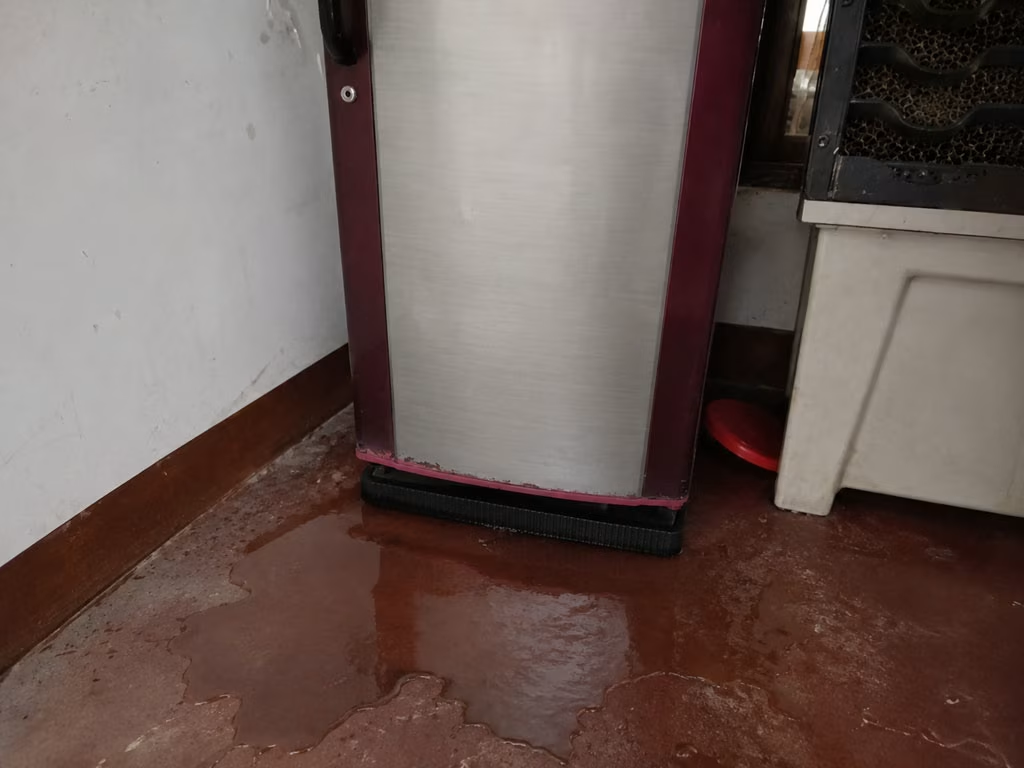
If your refrigerator is leaking water, don't ignore it. A small puddle may seem harmless, but it can point to a clogged drain, excess frost, a damaged door gasket, or a problem with the water supply. The good news is that many refrigerator leaks have a simple cause and can be fixed without major repairs. In this guide, we’ll look at the most common reasons your refrigerator may be leaking water and what you can do to fix the problem.
Common Causes of Refrigerator Water Leakage
Finding the cause of a refrigerator water leak is the first step toward fixing it. Below are the most common problems that can cause water to leak from your refrigerator.
A Clogged or Frozen Defrost Drain
The defrost drain carries melted water away from the refrigerator. Over time, food particles, dirt, or ice can block the drain. As a result, the water cannot flow out properly. It may collect inside the refrigerator and eventually leak onto the floor. A frozen drain can create the same problem, especially when ice builds up around the drain opening.
A Damaged or Overflowing Drain Pan
The drain pan sits at the bottom of the refrigerator and collects water from the defrost cycle. Normally, this water slowly dries up. However, a cracked pan can allow water to escape onto the floor. The pan may also overflow if too much water collects in it. Check the pan for cracks, damage, or signs of excessive water.
Excessive Frost or Ice Buildup
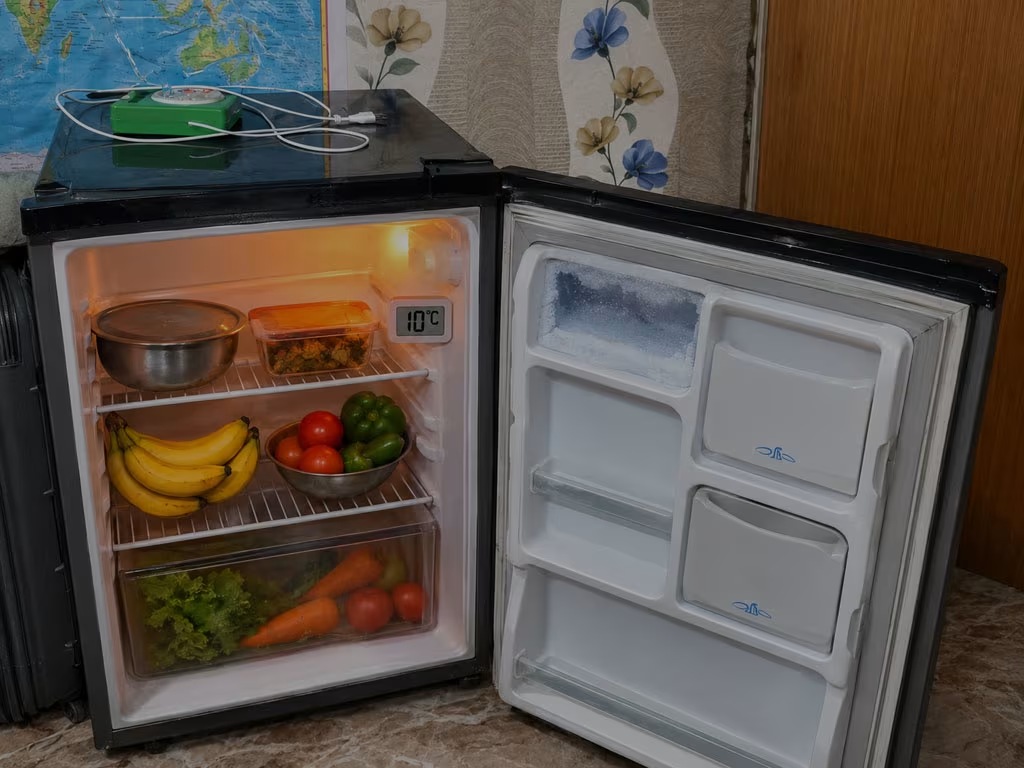
In some refrigerators, a small amount of frost is normal. However, heavy ice buildup can become a problem. When the ice eventually melts, it can produce more water than the drainage system can handle. This may leave water inside or under the refrigerator. Too much frost can also mean there's another problem that needs to be fixed.
If your refrigerator is also struggling to stay cold, see our guide on why your refrigerator may not be cooling
A Damaged or Loose Door Gasket
The rubber gasket around the refrigerator door helps keep warm air outside. If it becomes loose, cracked, or worn, warm air can enter the refrigerator. This creates extra moisture inside the compartment. Over time, that moisture can turn into water and collect inside the fridge. A simple inspection can reveal gaps or visible damage around the seal.
A Leaking Water Supply Line
If your refrigerator has an ice maker or water dispenser, it uses a water supply line. A loose connection, small crack, or damaged section can allow water to escape. If your refrigerator is leaking water from behind or underneath, the water supply line is worth checking. Inspect the line and its connections for visible moisture or dripping water.
A Faulty Ice Maker or Water Inlet Valve
The ice maker and water inlet valve control the flow of water into the ice-making system. If the inlet valve does not close properly, too much water may enter the ice maker. A damaged connection or faulty ice maker can also create a leak. Water around the ice maker area is a useful sign to check these components.
An Unlevel Refrigerator
The refrigerator should be placed properly on a level surface. If it is noticeably tilted, water from the defrost cycle will not drain correctly; instead, it may accumulate in the wrong place and eventually spill out. Check if the appliance is sitting evenly on the floor. Adjusting the leveling feet slightly can resolve this issue.
What Can You Check and Fix Yourself?
You can handle many refrigerator leaks with a few simple checks. Before calling a technician, you can safely inspect some common problem areas. Start with the easiest checks, and avoid removing internal parts if you are unsure.
Clear the Defrost Drain
First, locate the defrost drain inside the refrigerator. Remove any visible dirt or debris around the opening. You can then flush it gently with a small amount of warm water. Avoid using sharp objects because they can damage the drain or nearby parts.
Remove Ice Blocking the Drain
If ice is covering the drain opening, it needs to be cleared carefully. Turn off and unplug the refrigerator before working around the ice. Let the ice melt naturally, or use a small amount of warm water to help loosen it. Never use a knife or other sharp tool to break the ice.
Clean and Check the Drain Pan
The drain pan is usually located underneath the refrigerator. Remove any standing water and clean the pan with mild soap and water. While cleaning it, check for cracks or other visible damage. If the pan is damaged, cleaning it will not stop the leak, so it may need replacement.
Clean and Inspect the Door Gasket
Wipe the door gasket with a damp cloth to remove dirt and food residue. Then close the door and check whether the gasket seals evenly around the frame. Look for cracks, tears, or loose sections. You should replace a damaged gasket to restore a proper seal.
Check the Water Line and Connections
If your refrigerator has a water dispenser or ice maker, inspect the water line behind the appliance. Look for loose connections, cracks, or visible moisture. Tighten a loose connection carefully, but do not force it. A damaged water line should be replaced rather than repaired with a temporary fix.
Check the Ice Maker and Water Inlet Valve
Look around the ice maker for water that should not be there. Also check the area where the water line connects to the inlet valve. Loose connections can sometimes be corrected easily. However, if the valve or ice maker itself is faulty, it may need professional repair or replacement.
Level the Refrigerator Properly
Check whether the refrigerator is sitting evenly on the floor. If it is tilted, adjust the leveling feet according to the manufacturer's instructions. Make small adjustments and check the appliance again. Proper leveling helps the defrost water move toward the drain as intended.
Remove Excess Frost and Ice Safely
Heavy frost or ice inside the freezer can contribute to water leakage when it melts. If the buildup is excessive, unplug the refrigerator and allow the ice to melt naturally. Keep towels nearby to absorb the water. Do not chip away at the ice with sharp tools, as this can damage the freezer or refrigerant lines.
When Should You Call a Technician for a Leaking Refrigerator?
Some refrigerator leaks are easy to fix with basic cleaning or simple adjustments. But if the leak continues after checking the defrost drain, door gasket, or water line, the problem may involve an internal component.
In such cases, professional repair may be needed, especially when the refrigerator also has heavy frost buildup, poor cooling, or a damaged ice maker, water inlet valve, or water line. If you cannot identify the source of the leak, a qualified technician can inspect the refrigerator and find the actual cause.
Need help with a leaking refrigerator? Contact SP Home Appliance Service Center to schedule a refrigerator repair in Lucknow.