Common Fridge Problems Every Homeowner Should Know

Your refrigerator works day and night to keep your food fresh and safe. But as it gets older, its parts start to wear out, and common fridge problems begin to affect its cooling performance. These problems often start with simple signs, such as unusual noises, water collecting inside, ice buildup, or excessive frost.
These signs help you understand what is wrong with your refrigerator. They also show you when a simple check might solve the issue and when you need professional repair.
What Are the Most Common Fridge Problems?
Common fridge problems often arise from poor airflow, incorrect temperature settings, clogged drainage, a faulty door seal, or worn electrical and mechanical parts.
You can spot some problems easily, while others need a technician to find the faulty part. Start by checking the symptoms and looking for the common causes.
Common Fridge Problems and Their Signs
Fridge Is Not Cooling Properly
If your fridge isn't cooling properly, food can spoil and the freezer won't work well either. This problem usually happens because of incorrect temperature settings or blocked airflow.
There can be other reasons too, like dirty condenser coils, a faulty fan, a damaged door seal, or a compressor problem.
Start with these basic checks:
- Check the temperature setting.
- Make sure the internal vents are clear.
- Avoid packing food tightly against the vents.
- Check whether the door closes fully.
- Inspect the door gasket for gaps or damage.
If the fridge still does not cool properly, the problem needs further inspection.
For a detailed explanation of the causes and checks, see our guide on Why Is My Refrigerator Not Cooling?.
Water Leaking Inside or Around the Fridge
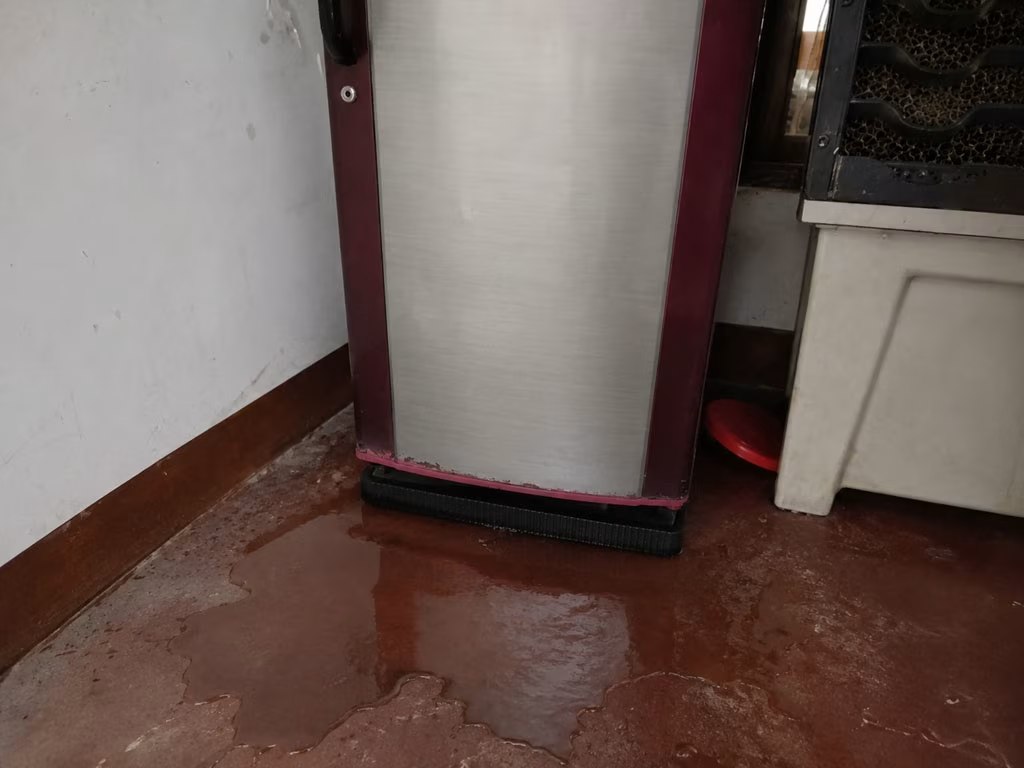
If you find water inside or around your fridge, a blocked drain or damaged door seal could be the reason.
A blocked drain hole is a common cause. A damaged door gasket, cracked drain pan, or drainage issue can also cause water to leak.
Check the following:
- Look for water around the bottom of the fridge.
- Inspect the drain area for visible blockage.
- Check the door gasket for damage.
- Make sure the refrigerator stands level.
Clean the drain area if you see dirt or debris. If the water keeps coming back, ask a technician to check the fridge.
For more details, read Why Is My Refrigerator Leaking Water?.
Fridge Is Making Unusual Noises
Your fridge makes some normal sounds while it runs. You might hear a low hum when the compressor runs or a clicking sound during a cycle.
But if the sound suddenly changes or becomes louder, check the fridge for a possible problem.
Common causes include:
- A fan hitting ice or another component
- A loose internal part
- Compressor-related issues
- A faulty fan motor
- Vibration from an uneven appliance
Listen to when the noise starts. If the noise starts when the fridge stops cooling properly, check the fridge more closely.
Refrigerator Is Running All the Time
If your refrigerator keeps running, it may have trouble reaching the correct temperature.
A few common problems can cause this. The temperature setting might be too low. A damaged door seal can let warm air into the fridge. Poor airflow can also make it harder for the fridge to stay cool. Dirty condenser coils can cause the same problem.
Check the following:
- The door closes properly.
- The gasket has gaps or cracks.
- Food blocks the internal vents.
- The temperature setting is appropriate.
- The condenser area needs cleaning.
If the compressor keeps running but the fridge still does not reach the correct temperature, ask a technician to check it.
Excess Ice or Frost Inside the Freezer
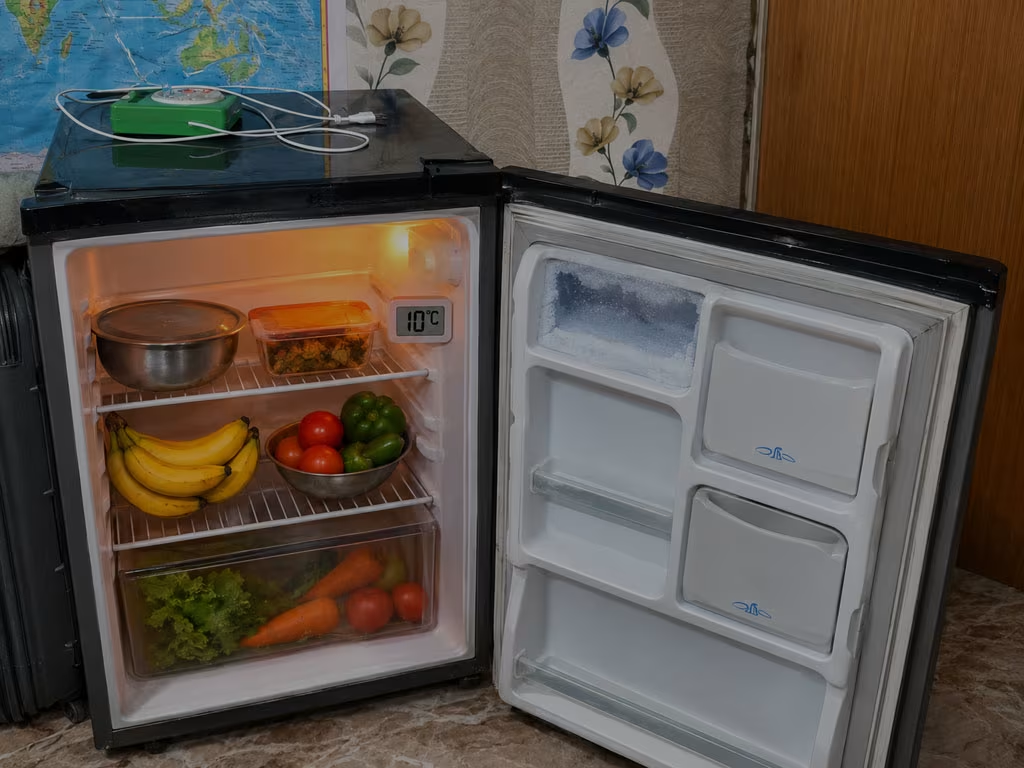
A little frost is normal. But thick ice or heavy frost means there is a problem.
A damaged door seal is a common cause. Warm air enters through the gap and creates moisture. The moisture then freezes inside the freezer.
Other causes include a faulty defrost system or blocked airflow.
Check the door seal first. Also check if ice blocks the air vents.
If frost comes back soon after cleaning, ask a technician to check the defrost system and other parts.
Fridge Is Not Making Enough Ice
Your ice maker needs enough water and the right temperature to make ice properly.
Several problems can reduce ice production, such as a clogged filter, low water supply, a faulty inlet valve, or a problem with the ice maker.
Check these points:
- Make sure the ice maker is switched on.
- Check the water supply.
- Inspect the water filter if your model has one.
- Look for visible ice blocking the ice maker.
- Check whether the freezer is reaching the required temperature.
If the ice maker still produces little or no ice, a technician should inspect the related components.
Refrigerator Door Is Not Sealing Properly
The door gasket keeps cold air inside the refrigerator. A loose, cracked, or damaged gasket allows warm air to enter.
This forces the refrigerator to work harder and can lead to poor cooling or excess frost.
Inspect the gasket around the entire door. Look for:
- Cracks or tears
- Loose sections
- Gaps between the gasket and cabinet
- Dirt preventing proper contact
Clean the gasket and check whether the door closes evenly. Replace a damaged gasket if it no longer forms a proper seal.
Bad Smell Coming From the Refrigerator
Bad smells often come from spoiled food, spills, or leftover food. Sometimes dirt builds up in the drain or hidden areas and causes a bad smell.
First, remove any expired food. Then clean the shelves, drawers, and other surfaces inside the fridge.
Also check:
- The drain area
- The drip tray, if accessible
- Spilled liquids under drawers
- Food residue around door seals
If the smell remains after cleaning, inspect the drainage system and other areas for trapped residue.
Refrigerator Compressor Keeps Running or Overheating
The compressor helps circulate refrigerant and maintain the required temperature. It normally starts and stops during regular operation.
If it keeps running for long periods or becomes unusually hot, the refrigerator might have a cooling or compressor-related problem.
Possible signs include:
- The fridge struggles to reach the correct temperature.
- The compressor runs for long periods.
- The compressor becomes unusually hot.
- Cooling performance keeps changing.
- The appliance makes unusual compressor sounds.
Compressor problems need proper testing before repair. Avoid opening or attempting to repair the compressor yourself.
For a detailed guide, see How to Know If a Refrigerator Compressor Is Bad.
Quick Checks You Can Try
Before calling a technician, check a few basic things. These checks take little time and help you identify simple problems.
- Check the refrigerator temperature setting.
- Make sure the door closes properly.
- Inspect the door gasket for visible damage.
- Keep internal air vents clear.
- Check for excessive frost or ice.
- Make sure the refrigerator has power.
These checks can help you find simple causes. If the problem continues, ask a technician to check the refrigerator.
When Does a Fridge Need Professional Repair?
Some common fridge problems do not go away on their own. If the problem continues after your basic checks or the fridge still does not work properly, call a professional.
Professional service is appropriate when:
- The fridge still does not cool after basic checks.
- Water continues to leak.
- The compressor does not start properly.
- Strange noises continue or become louder.
- The appliance stops working repeatedly.
- Electrical components appear faulty.
A technician can test the affected parts and find the actual cause. This way, you don't end up replacing parts without knowing the real problem.
If your refrigerator needs professional help, you can learn more about our Fridge Repair Service in Lucknow.